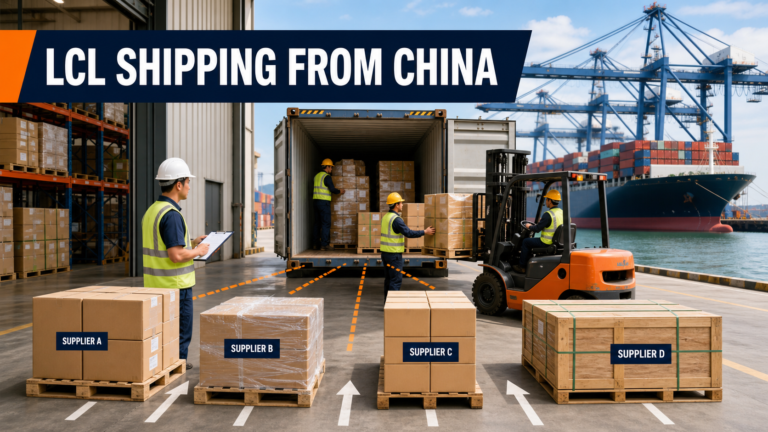
Can a private buyer purchase a prefab house from China for personal use? Yes—but a successful individual prefab house purchase requires more planning than selecting a model online. The buyer must confirm local approval, total landed cost, shipping, customs clearance, site preparation and installation before ordering.
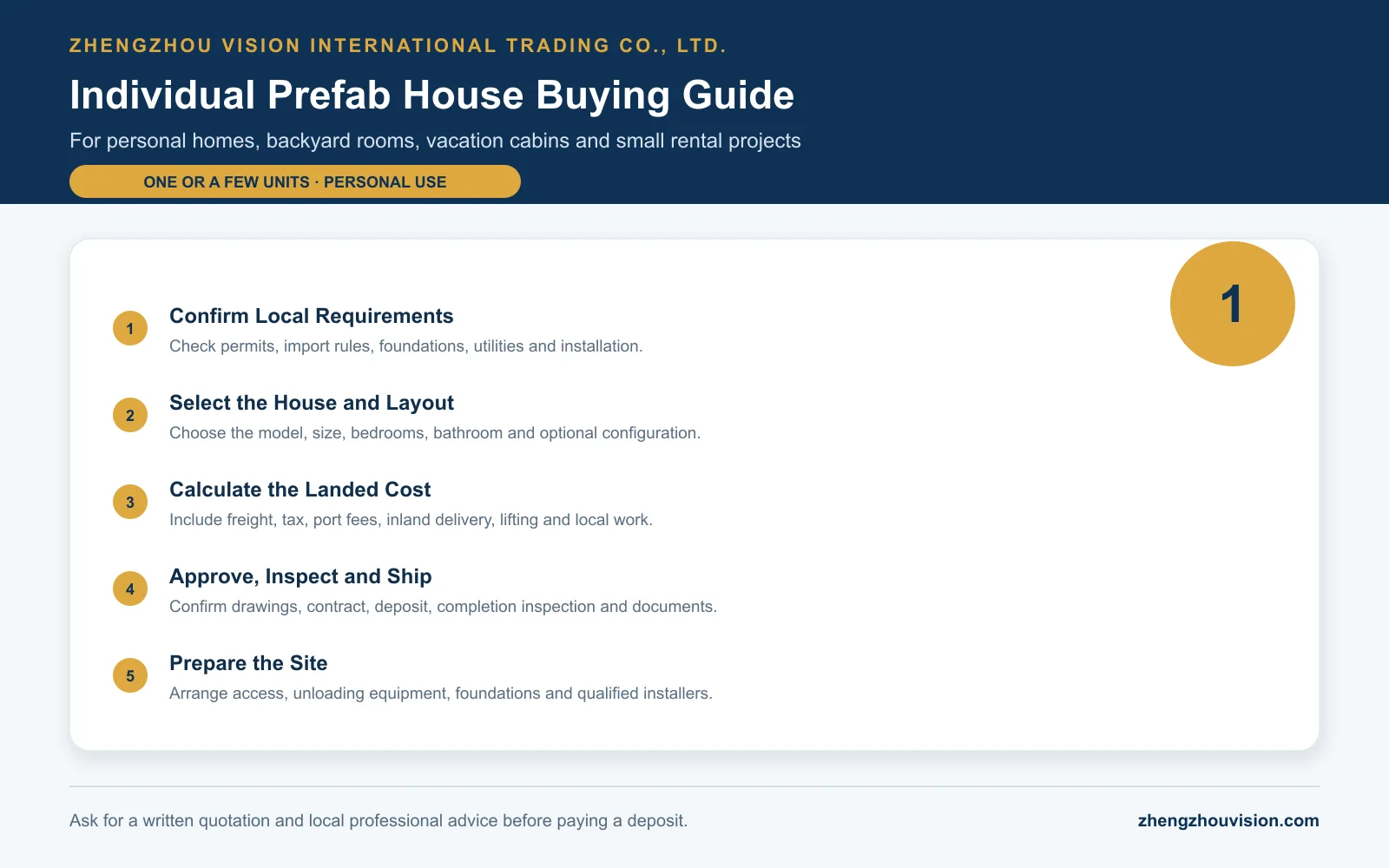
Who Is This Individual Buying Guide For?
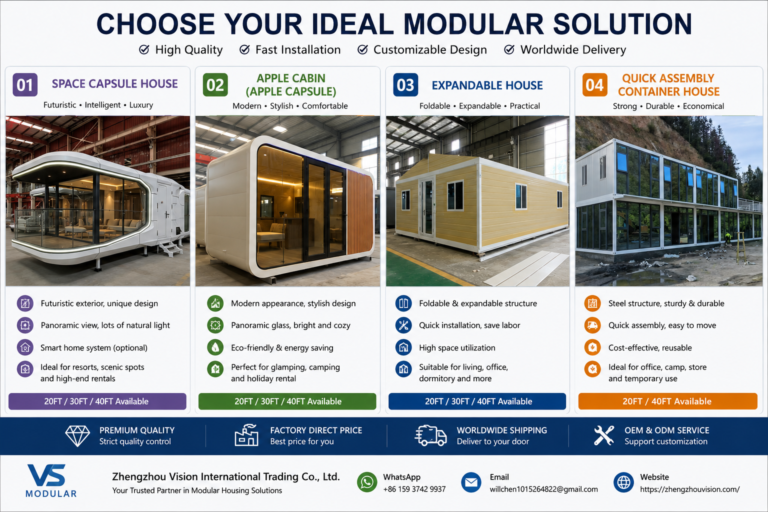
This guide is intended for people considering one or a few units for a personal home, backyard room, guest house, garden office, vacation cabin, farm stay, small Airbnb or rental project. It applies to buyers comparing expandable houses, folding container homes, modular cabins, Apple Cabins and other prefabricated buildings.
1. Check Local Permission Before Choosing a House
Before discussing colors or furniture, ask qualified local professionals whether the proposed building can be imported, transported and installed at the intended address. Confirm planning permission, occupancy rules, structural requirements, wind and snow loads, fire rules, foundations, electrical and plumbing standards, setbacks and utility connections.
2. Select the Product Type, Size and Personal Layout
Tell the export team how the building will be used and how many people will use it. Confirm the exact drawing instead of relying only on a 20FT, 30FT or 40FT product name. List the required bedrooms, bathroom, kitchen, storage, doors, windows, insulation, flooring, electrical voltage and optional equipment.
3. Ask for a Complete Written Quotation
The quotation should identify the model, dimensions, configuration, quantity, currency, trade term, loading port, payment schedule, validity and exclusions. Private buyers should ask direct questions: Is freight included? Are bathroom fixtures included? Who pays destination port charges? Are foundations, lifting and installation separate?
4. Calculate the Total Landed and Installed Cost
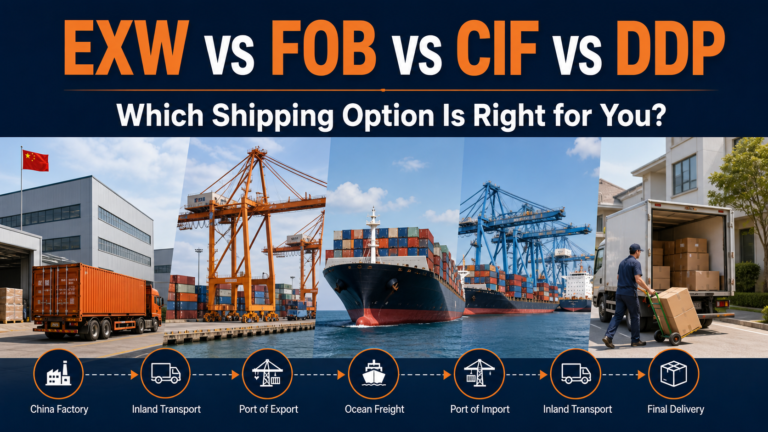
A factory or product price is only one part of the budget. Add optional configuration, export packing, inland transport in China where applicable, sea freight, cargo insurance, import duty, VAT/GST or sales tax, customs broker fees, destination port charges, storage, inland delivery, crane service, foundations, local labor and utility connections.
5. Approve Drawings, Contract and Deposit
Check that the approved drawing and configuration list match the written quotation. Confirm beneficiary details, production basis, inspection method and balance-payment terms. The agreed deposit is commonly 30–50%, but the signed contract or pro forma invoice controls the actual percentage and schedule.
6. Follow Production and Inspect Before Shipping
Request agreed progress information and review completion photos, videos or inspection results. Check visible finishes, doors, windows, lights, installed components, accessories and overall configuration. If more assurance is required, arrange an independent inspection before shipment.
7. Prepare Customs Clearance and Port Pickup Early
Appoint a customs broker before the vessel arrives. Provide available documents for review and ask the broker to confirm classification, import restrictions, taxes, port procedures and estimated destination charges. After customs release, arrange inland transport from the port to the property.
8. Prepare the Site and Installation Team
Confirm road access, gate width, turning space, overhead clearance, ground condition, unloading equipment and final placement. Foundations should be ready before delivery. Use qualified local professionals for lifting, anchoring, sealing, electrical, plumbing and code-compliance work. Installation drawings, manuals, videos and remote guidance can support the process.
Personal Buyer Checklist
- Destination country, port and installation address
- Local planning and building requirements checked
- Exact product drawing and configuration approved
- Total landed and installed budget calculated
- Customs broker and local delivery arranged
- Foundation, unloading and utilities prepared
- Inspection and installation support confirmed
Frequently Asked Questions
Can an individual buy only one prefab house?
Yes. Private buyers can request a quotation for one prefab house, expandable house, Apple Cabin or other modular unit, subject to model availability, destination and agreed order terms.
What information should a private buyer send first?
Send the destination country and nearest port, intended use, preferred model and size, required bedrooms and bathroom, optional configuration, site access information and target budget.
Is the advertised product price the final cost?
Usually not. Total landed and installed cost may include optional equipment, packing, freight, insurance, import tax, port charges, customs broker fees, inland delivery, foundations, lifting, utilities and local labor.
Who pays customs duty and import tax?
Unless the signed trade terms state otherwise, the importer normally appoints a local customs broker and pays applicable duties, taxes and destination charges. Confirm costs before ordering.
Do I need planning permission for a prefab house?
Requirements vary by country, city, land use and intended occupancy. Contact local planning, building and utility professionals before paying a deposit.
Can I customize bedrooms, bathroom and kitchen?
Available layouts, doors, windows, bathroom, kitchen, insulation, electrical and finish options can be discussed before drawings and configuration are approved.
How can I inspect the house before shipping?
Completion photos, videos and inspection information may be provided. A buyer can also arrange an authorized representative or independent third-party inspection when agreed in advance.
What should be ready before delivery?
Prepare permits where required, site access, foundations, crane or forklift arrangements, unloading space, utilities and qualified local installation support.
Get a Project-Specific Quotation
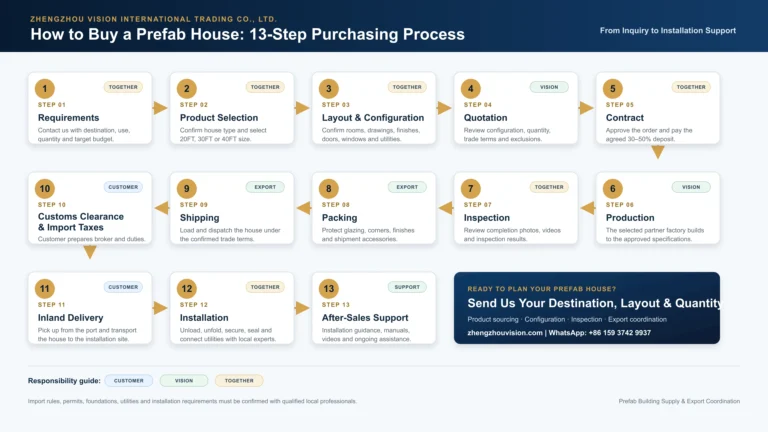
Send your destination country and port, intended use, preferred model, size, quantity, layout and optional configuration through our contact page. You can also review the complete global prefab house purchasing process.
This page provides general purchasing information, not legal, customs, tax, engineering or building-code advice. Confirm current local requirements with qualified professionals.